Category: Health Topic (Page 35 of 107)

An Inside Look Into Ankle Sprain

Ankle sprains are the number one reason for missed participation in athletics. They are common injuries that occur among people regardless of age and activity level. A sprained ankle occurs when the strong ligaments supporting your ankle stretch excessively and tear. Ankle sprains vary in severity depending on the number of ligaments involved and the extent or degree of tear. Many sprains heal with simple home remedies like elevation, ice, and over-the-counter medications, but some do not improve with conservative treatment. If your ankle remains swollen and painful despite conservative treatment, your Sports Medicine Associates of San Antonio specialist may recommend a medical evaluation to ensure you don’t have a severe ankle sprain or fracture.

Proper treatment and rehabilitation are vital because, when left untreated, a severe sprain can weaken your ankle, increasing the likelihood of injuring it again. Furthermore, repeated ankle sprain can lead to long-term problems such as arthritis, chronic pain, and instability.

The symptoms of an ankle sprain

The signs and symptoms of a sprained ankle vary depending on the severity or degree of the injury. Signature symptoms for an ankle sprain include:

  • Pain with rest but mainly with weight-bearing or activity
  • Tenderness when you touch the sprained ankle
  • Swelling
  • Bruising
  • Limited or restricted range of motion
  • Instability

A severe ankle sprain has similar symptoms to fractures and requires prompt medical evaluation.

Causes of an ankle sprain

A sprain occurs unexpectedly when your ankle is forced to move out of its normal position, causing one or more … Read More
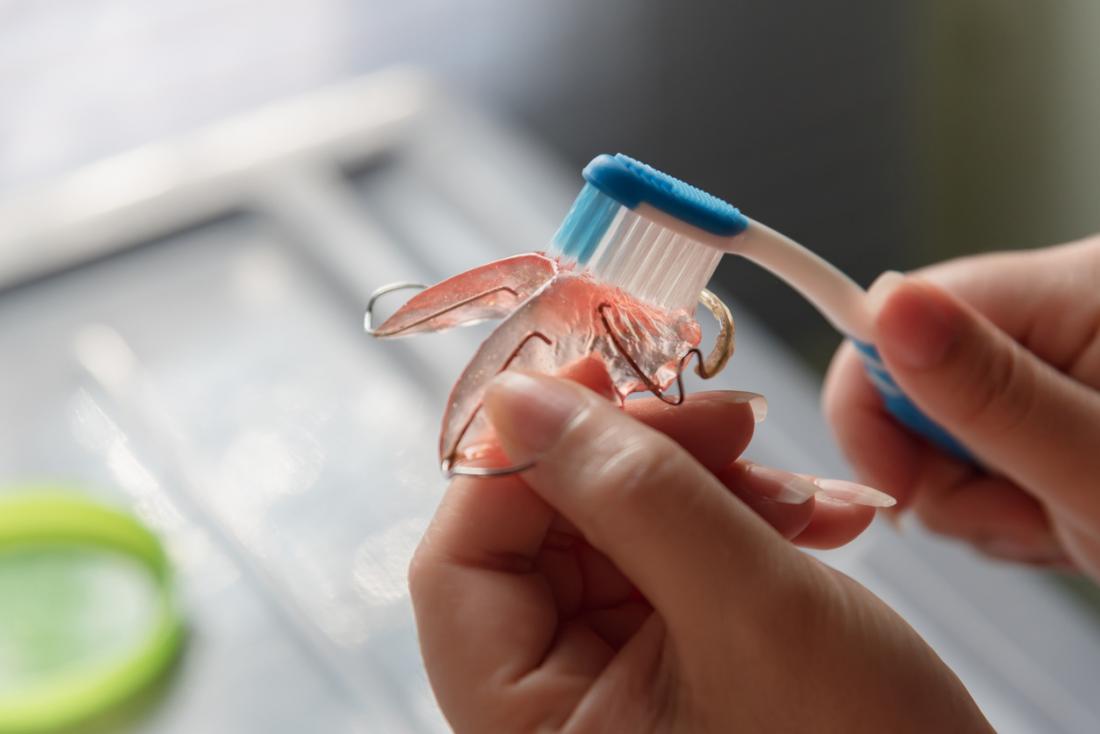
Top 5 Simple Retainer Care Tips

Retainers are a good option to maintain your perfect smile after undergoing orthodontic teeth straightening treatment. They help maintain your teeth in the new position and prevent future shifting. The Greenwich retainers specialists can customize the devices to suit your preferences and unique smile. Replacing retainers can be expensive. Therefore, it is critical to maintaining them for the long-term good. Your doctor can advise you on the care you need to give your retainers to maintain them and minimize the chances of complications. Here are some care tips for you.

Use the Retainers Strictly as Instructed

You have a new smile, and nothing can stop you from showing it to the world. However, do not be over-excited and forget the importance of a retainer. In most cases, you might be required to wear the device at all times during your initial stages, depending on the nature of your teeth. Your doctor can adjust that later after you use the retainers for a while. Stick to the plan, especially for the first days where the retainer must be on always or most of the time. Your doctor can recommend adjustments once your jawbone and gums have stabilized your new smile. 

Do Not Eat with the Retainer

Yes! It would help if you had the retainer in your mouth, but eating with them can do more harm than good. Your doctor can advise you to remove them when you eat and be sure to get them soon after you are done. The … Read More

5 Effective Minimally Invasive Options That Can Treat Varicose Veins

Varicose veins are twisted, engorged, and discolored veins that develop on your lower legs. They are often harmless, but visible and bulging veins should not be overlooked. If left untreated, varicose veins can cause serious health issues that can be life-threatening. You can treat mild varicose veins by making several lifestyle changes, such as exercising and maintaining a healthy diet. However, you might require a non-invasive procedure for moderate or severe varicose veins. Talk with an Upper East Side varicose veins specialist to understand which procedure might be appropriate for you. Learn more about the minimally invasive options that can help alleviate symptoms of varicose veins.

What Are the Signs of Varicose Veins?

Various varicose veins symptoms may prompt you to take action before they become severe and unmanageable. If you have pain and heaviness on your feet or legs, it could signify you are suffering from varicose veins. Swelling and skin color changes on your skin are also common symptoms for people with varicose veins. However, if you begin getting blood clots or severe bleeding after a small injury, you might need to consider the following minimally invasive treatment options. 

1.     Sclerotherapy 

Sclerotherapy is a minimally invasive procedure that contracts and destroys varicose veins by injecting them with a chemical solution known as a sclerosant. This chemical solution redirects the blood from the faulty veins to the healthier ones. Over time, the varicose veins collapse and disappear, creating room for healthier veins. Sclerotherapy is effective for both larger … Read More

« Older posts Newer posts »