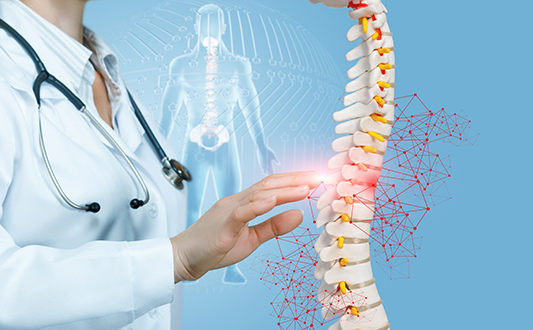
Your spine consists of bones, tendons, muscles, and other tissues extending from the base of your skull to your tailbone. The spine protects your spinal cord, encloses the fluid surrounding the spinal cord, and provides structure and support to your body. Sometimes your spinal health can be affected by Roswell spinal stenosis. The condition is characterized by narrowing the space at the spine’s center, where spinal nerves branch to other areas of the body or between spinal bones. The spinal narrowing exerts unnecessary pressure or strain on the spinal cord and nerves, leading to pain and discomfort in your back and lower extremities.
If you have spinal stenosis, you may or may not show symptoms. If you have symptoms, they will depend on the affected area of your spine. For instance, if spinal narrowing affects your lower back, one or both legs will have pain, discomfort, and cramping, especially after standing or walking for an extended period. However, if the spinal narrowing is in your neck, you will feel pain and numbing sensation in your neck.
Causes of spinal stenosis
You can have congenital spinal stenosis, a condition in which you have a small spinal canal from birth. You are also at high risk of spinal narrowing when born with scoliosis. Scoliosis is a sideways spinal curvature you can have from childhood because of cerebral palsy or muscular dystrophy.
Still, you can have spinal stenosis because of an occurrence that reduces the open space available within your spine. The … Read More