
The complicated sequence of operations known as in vitro fertilization (IVF) is used to improve fertility, avoid genetic defects, and aid in creating a child. IVF involves taking fertile eggs from a woman’s ovaries and fertilizing them with sperm in a laboratory. After fertilization, an embryo or embryos are placed in a woman’s uterus. On average, the IVF Bedford process takes three weeks from start to finish. It may take more time if these procedures are broken down into many stages.
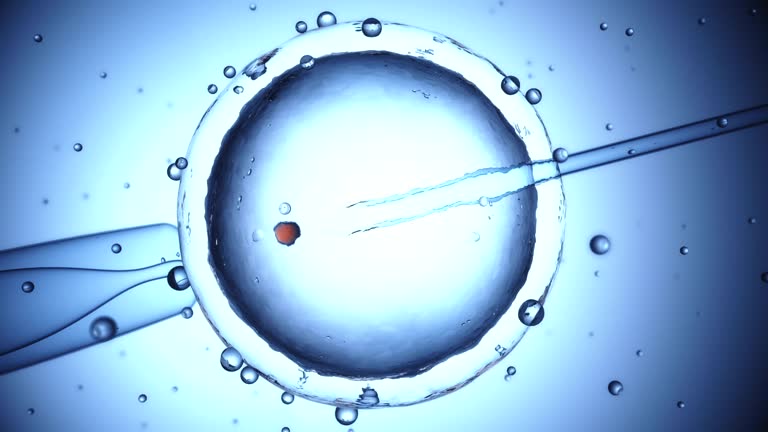
There is no more reliable type of ART than in vitro fertilization. The woman’s and the man’s sperm and eggs may be used in the operation. IVF may also use donor gametes (eggs, sperm, embryos) from a known or unknown source. Embryos implanted in the uterus of a gestational carrier may be utilized in certain situations.
So, you may be considering IVF to help you conceive a child. It is a big decision, and you likely have many questions about the process. This article covers what you should expect when undergoing IVF.
How Is IVF Performed?
You will be given a series of injections to help stimulate egg production. These injections will be given daily, or sometimes twice a day, for about two weeks. Once your eggs are ready, you will have a minor surgical procedure to retrieve them. It is usually done using an ultrasound-guided needle. The eggs will then be placed in a special incubator and fertilized with sperm from your partner or a donor. After two … Read More

 Disclaimer: The whole contents of this web site are primarily based upon the opinions of Dr. Mercola, unless in any other case famous. 21 – 26 These findings suggest the likelihood that social transitions in kids, a form of affirmation and assist by a prepubescent child’s dad and mom, could possibly be related to good mental health outcomes in transgender children. Here are seven heart illness prevention tips to get you began.